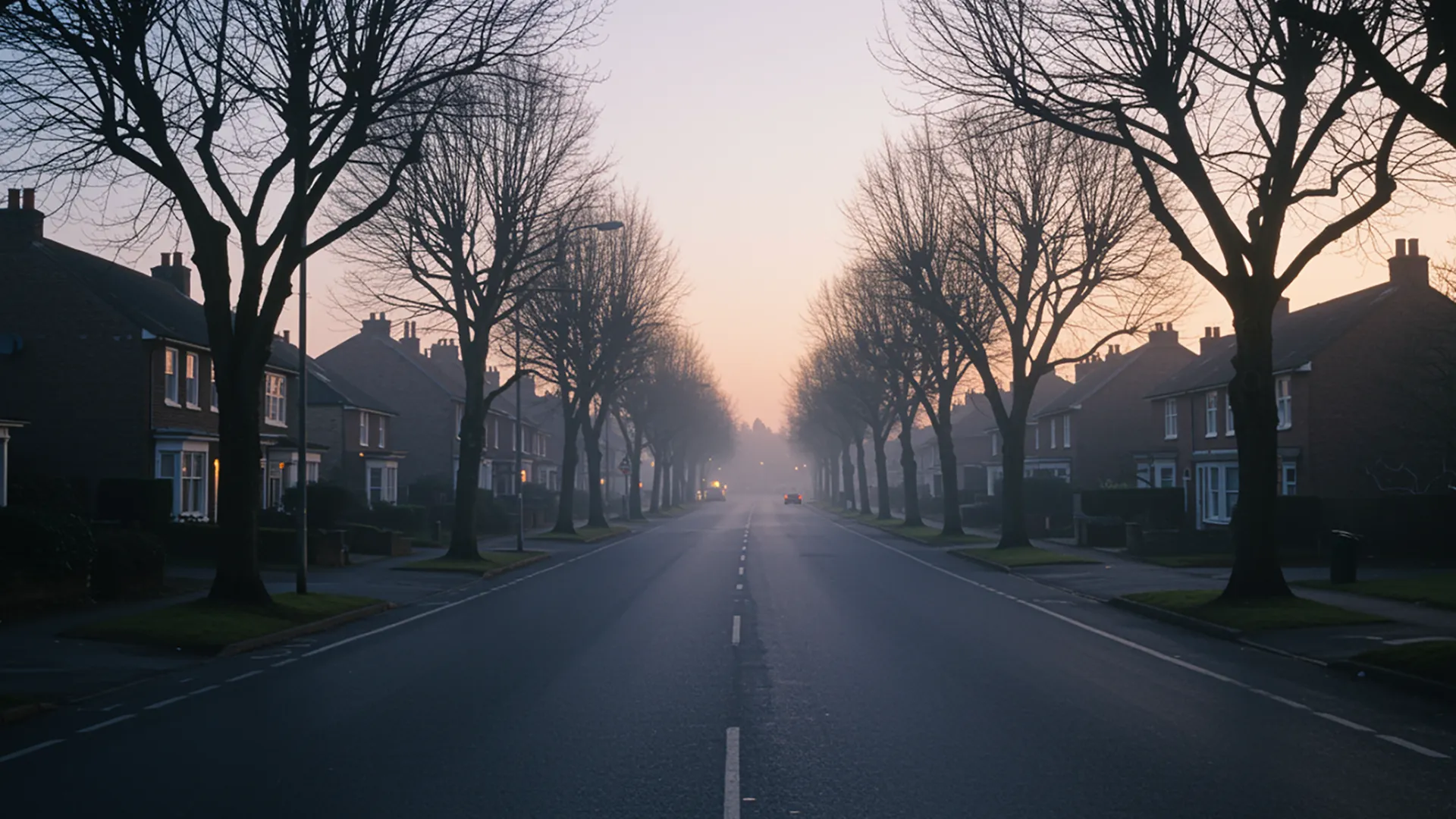
There is something about small towns that feels safe. The streets are quiet. The same cars are parked in the same driveways. People know each other’s names, their families, even their routines. Life moves slower. Nothing dramatic ever seems to happen.
And that is exactly why small towns are the perfect setting for psychological horror. When something terrible happens in a place that feels safe, it hits harder. It feels wrong in a deeper way. In The Pinewood Prowler by Audrey Zeigon, Pinewood begins as a normal town. It is the kind of place where teenagers complain about boredom and dream about leaving one day. But once the killings begin, that same quiet town becomes suffocating. The silence does not feel peaceful anymore. It feels like something is hiding inside it.
When the Victims Feel Close to Home
In a big city, crime can feel distant. You might hear about it on the news, but it rarely feels personal. In a small town, it is different. Everyone knows the victim. Everyone has a memory attached to their name.
In Pinewood, the victims are not strangers. They are classmates. Friends. People who once sat in the same lunchroom and walked the same hallways. When someone disappears, the loss is visible. An empty locker. A seat that no one fills. A house that suddenly feels darker at night.
That is where psychological horror becomes powerful. The fear is not just about what happened. It is about what is missing. It is about realizing that someone you knew is gone forever. The emotional weight makes every new murder feel heavier than the last.
The Woods Make Everything Worse
Small towns are often surrounded by open land, forests, or empty roads. Nature feels peaceful during the day. But at night, it changes. It feels deeper. Darker. Endless.
In The Pinewood Prowler, the woods are not just background scenery. They are part of the fear. The trees swallow sound. They hide movement. When a character steps into the woods at night, it feels like they are stepping into something alive.
There is something very human about being afraid of what we cannot see. A snapped twig. A shadow between trees. A sudden silence where there should be crickets. In a big city, there are lights and noise everywhere. In Pinewood, there is quiet. And that quiet makes fear louder.
When Trust Starts to Crack
One of the most unsettling parts of psychological horror in a small town is what happens to trust. At first, Pinewood feels like a place where people believe in each other. But as the killings continue, that belief begins to break.
When the killer could be anyone, everyone becomes a possibility. Friends look at each other differently. Simple conversations feel loaded with hidden meaning. Nicole Keith’s investigation only makes that tension stronger. The closer she gets to the truth, the more complicated things become.
The horror is not only about the person hiding in the shadows. It is about doubt. It is about sitting across from someone and wondering what they might be capable of. That kind of fear stays with you because it feels real.
Routine Turns into Danger
Small towns run on routine. There is a curfew. There are familiar walking paths. There are habits that never change. But in psychological horror, routine can become dangerous.
In Pinewood, the killer studies patterns. Who walks alone. Who sneaks out at night. Who thinks nothing bad could ever happen to them. Normal moments become deadly. Babysitting in a quiet house. Going for a late-night run. Accepting a dare.
The scariest part is that these moments feel ordinary. They feel like things anyone might do. And that is why they are so unsettling. The story reminds us that danger does not always come with a warning.
A Town That Feels Alive
Pinewood does not just feel like a setting. It feels alive. It changes with every murder. Doors lock earlier. Curtains stay closed. People whisper instead of laughing. The town slowly transforms from peaceful to paranoid.
That shift is what makes small towns so powerful in psychological horror. The place itself becomes part of the story. It carries the fear. It reflects the people who live there.
Conclusion
Small towns make the perfect setting for psychological horror because they start with safety. When that safety breaks, it feels personal. Isolation makes fear louder. Familiar faces become suspicious. Routine becomes dangerous. And the silence becomes unbearable.
The Pinewood Prowler by Audrey Zeigon captures all of this beautifully. Pinewood begins as an ordinary town, but slowly it turns into something darker. Something watchful. Something that feels too close for comfort.